

Why Your Windshield Frosts on the Inside (and How to Stop It)
You scrape the outside of the windshield, climb into your car on a -20°C morning in Barrhaven, and discover the inside of the glass is coated in frost too. When your windshield frosts on the inside, the usual morning routine is not enough — and wiping it with your glove only smears it into a hazy film that refreezes.
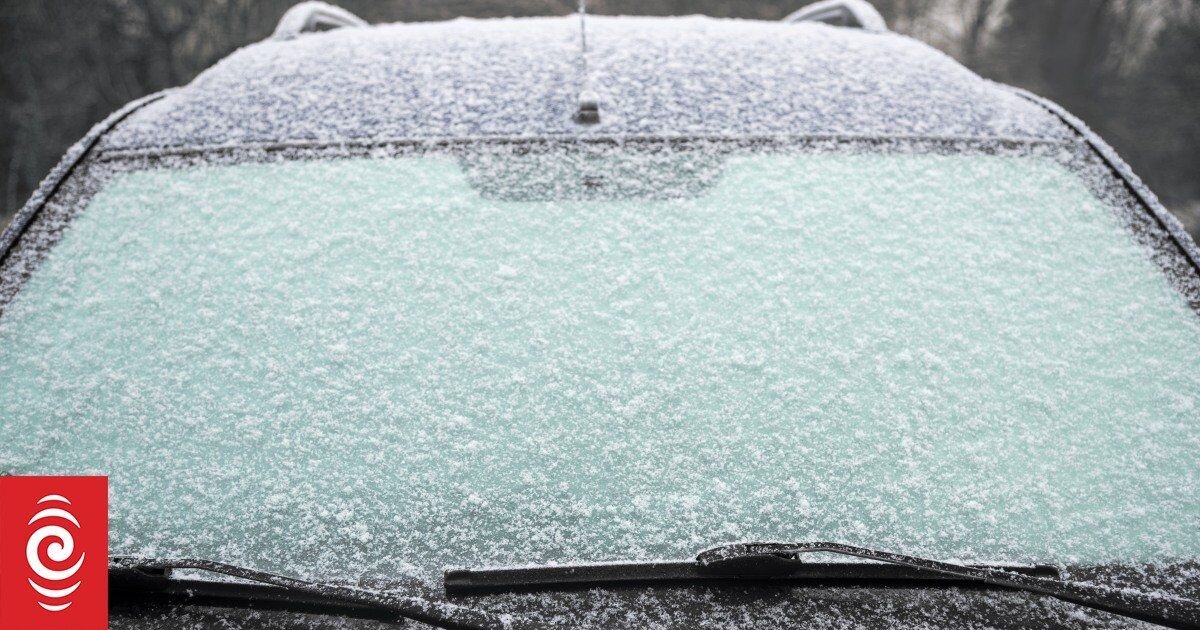
Interior frost forms the same way your bathroom mirror fogs after a hot shower: warm, moist air meets a cold surface. Overnight, your windshield cools to the outside air temperature while moisture trapped inside the cabin settles onto the coldest surface available. By morning, that condensation has frozen into a thin sheet of ice crystals on the inside of the glass.
Windshield Frosts on the Inside: What Causes It
Moisture you carry into the car
Every Ottawa winter brings snow into the cabin on boots, cuffs, and jackets. That snow melts on the floor mats, and the water has nowhere to go in a sealed car. Each passenger exhales moisture too. All of it stays in the cabin air overnight and condenses on the cold windshield.
Recirculated air and a clogged cabin filter
If you drive with the recirculation button on, humid cabin air never gets exchanged for dry outside air. A clogged cabin air filter makes it worse by choking airflow to the defroster vents. The result is a damp cabin that frosts the glass from the inside the moment temperatures drop.
A leaking seal letting meltwater in
Sometimes the moisture is not yours at all. A failing windshield seal lets melting snow seep behind the dashboard and soak the carpet. If your windshield frosts on the inside every single morning — even after you have dried the mats and aired out the car — a leak is the prime suspect. Our guide to windshield replacement in Ottawa explains how a compromised seal is diagnosed.
How to Clear Interior Frost Without Damaging the Glass
Start the car and set the defroster to high heat with the air conditioning switched on. It sounds odd in January, but the AC is a dehumidifier: it strips moisture from the cabin air while the heat warms the glass. Make sure recirculation is off so fresh, dry outside air flows in. Within a few minutes the frost releases its grip.
For the last stubborn patches, use a plastic ice scraper or a clean microfibre cloth. Never pour hot or even warm water on a frozen windshield — the sudden temperature shock can crack the glass, especially if there is already a stone chip in it.
This is also where a remote starter in Ottawa earns its keep. Start the car from your kitchen, and the defroster has ten minutes to clear both sides of the glass before you step outside. Every starter we install starts from $450 and includes free wipers plus a free ceramic windshield coating.
How to Stop Your Windshield Frosting on the Inside
- Knock snow off your boots before getting in, and pull rubber floor mats out to dry overnight.
- Switch off recirculation a few minutes before you park so the cabin fills with dry outside air.
- Run the AC for a few minutes during winter drives to keep the system dry and working.
- Replace a clogged cabin air filter — most need it every 20,000 to 25,000 km.
- Park facing east when you can; the morning sun hits the windshield first and slows frost formation.
- Toss a reusable moisture absorber under the seat during the coldest months.
When Your Windshield Frosts on the Inside Every Morning
Occasional interior frost is normal in an Ottawa winter. Daily frost that returns no matter how dry you keep the cabin is not. Lift the floor mats and press the carpet: if it feels damp, water is getting in somewhere it should not. A leaking windshield seal is the most common entry point, and it will not fix itself — the leak corrodes the pinch weld and can turn a simple reseal into a full replacement.
A musty smell, fogging that refuses to clear, or frost concentrated along the bottom edge of the glass all point the same way. That is the time to have the seal inspected rather than fighting the symptom every morning. The CAA also recommends keeping up with winter vehicle maintenance so small problems do not strand you on the coldest day of the year.
Frequently Asked Questions
Why does my windshield frost on the inside but not the outside?
It usually frosts on both, but the outside gets scraped first so you notice the inside. Interior frost comes from moisture trapped in cabin air condensing on the cold glass; the outside frost comes from the air itself.
Is it safe to pour warm water on interior frost?
No. The thermal shock can crack your windshield, especially near an existing chip. Use the defroster with the AC on, and a plastic scraper for leftovers.
Does running the AC in winter really help?
Yes. Your AC dehumidifies the air even when it is cold outside, which pulls moisture out of the cabin and reduces both fogging and interior frost.
Will a remote starter prevent inside frost?
It will not stop moisture from condensing overnight, but it clears the frost before you get in. Ten minutes of defroster time from your kitchen beats five minutes of scraping in -25°C.
What if the frost keeps coming back every single day?
Check for damp carpets — a leaking windshield seal may be letting meltwater in. Book an inspection so the leak is found before it damages the bodywork.
Tired of Scraping the Inside Too? Call 613-854-4527
JT Auto Glass Repair is at 2584 Edinburgh Pl Unit #9 in Ottawa, open 8 AM to 8 PM. Whether you need a leaking seal diagnosed, a free quote online, or a remote starter so your car is warm before you are, call 613-854-4527 today.
